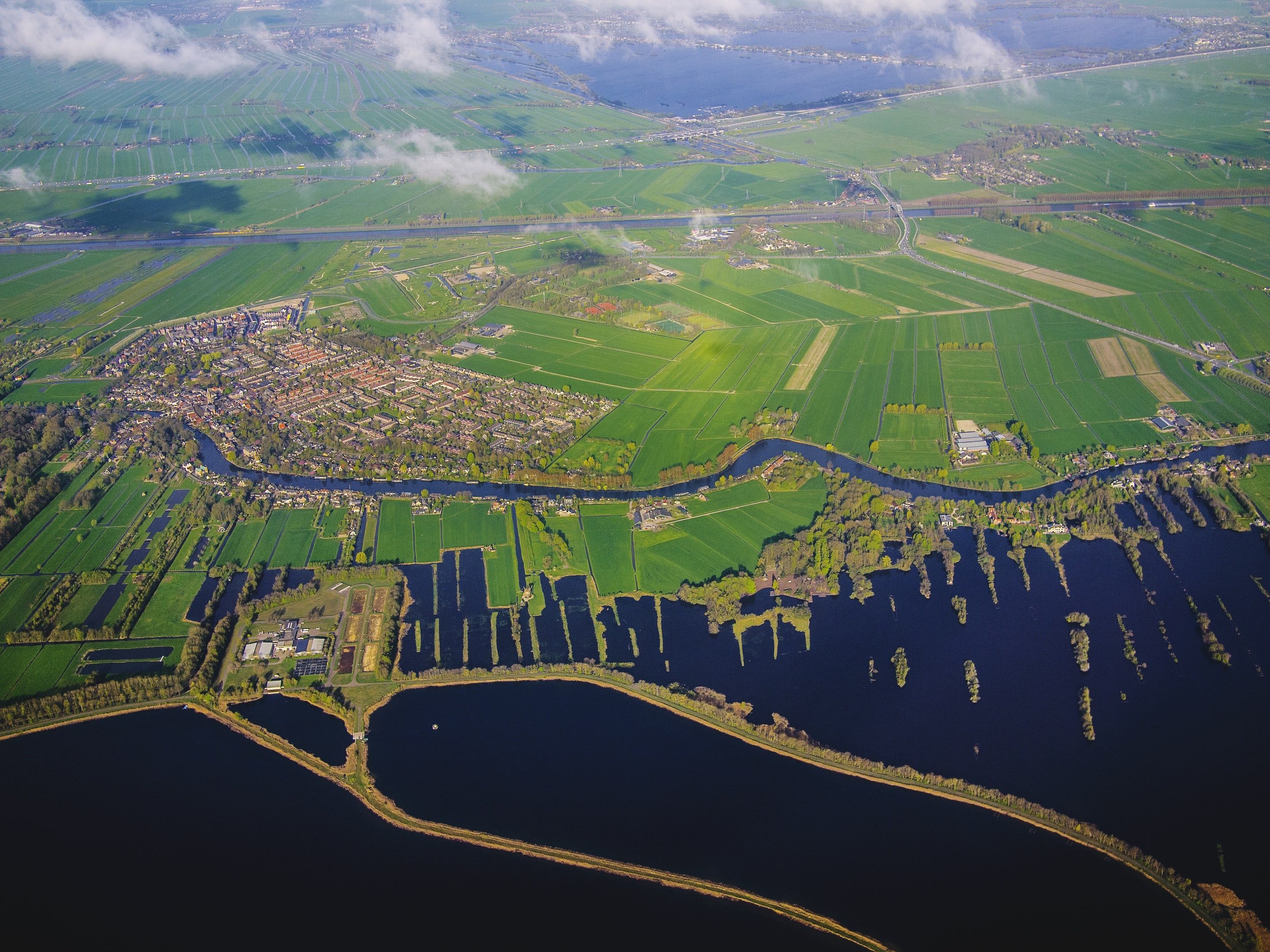
The Science of Food and Climate Change
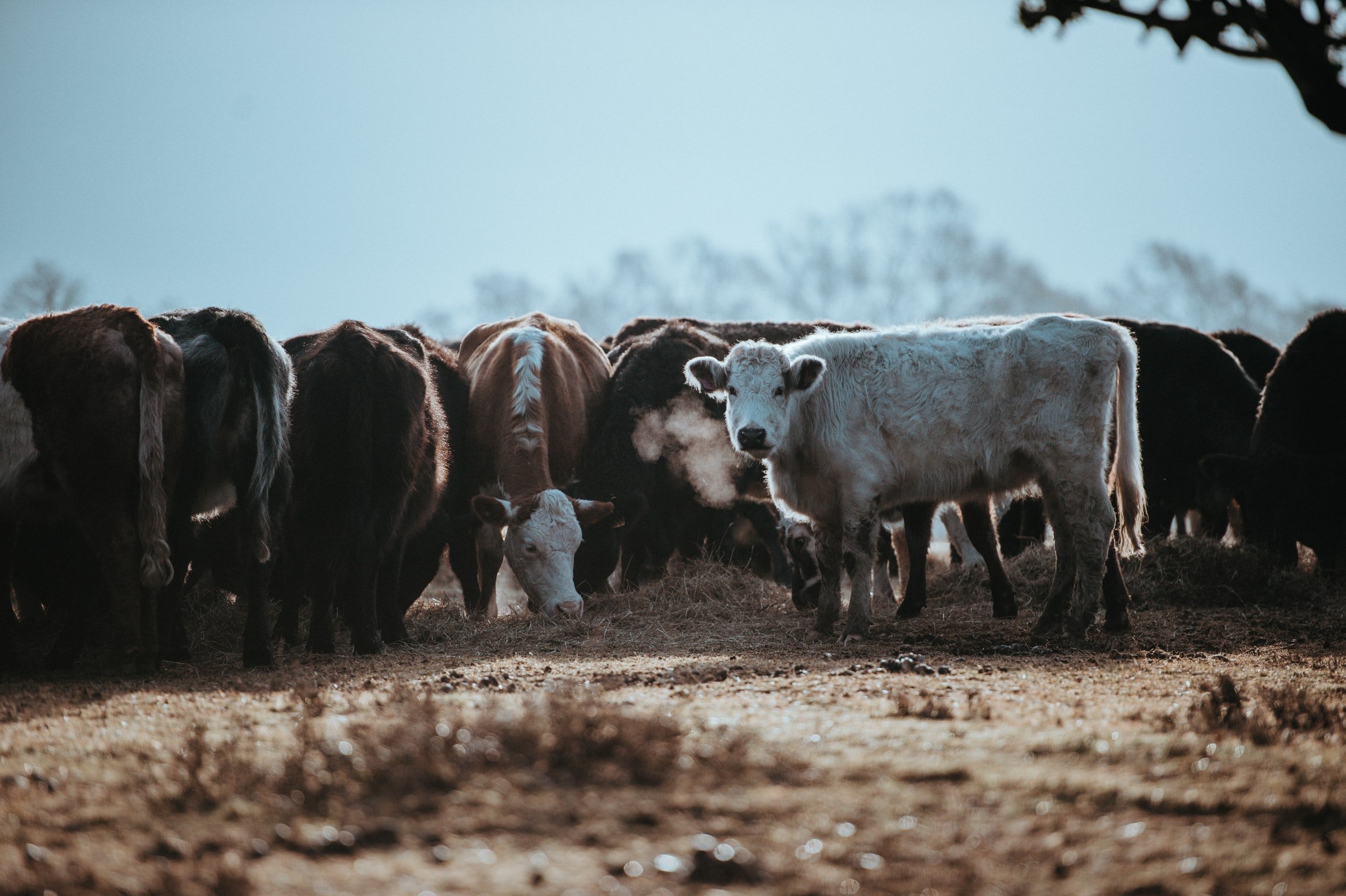
Livestock and the Meat Sustainability Debate
The Meat Issue has turned into one of the most contentious debates of the 21st century. Animal-based food production undoubtedly plays a major role in accelerating global climate change and driving habitat loss on Earth. However, exaggerations lie around every corner, with some claiming meat is the largest cause of climate change, while others argue we should eat and raise more meat to help the climate. As these debates spill over into influence policymaking, there is an urgent need for more evidence to moderate them and shape productive policies.
Our scientific research tests these hotly-contested claims of animal sourced foods’ impacts and potential for mitigation. We create scenarios to project changes in business-as-usual through novel technologies, consumption patterns, and policy proposals. Our research has helped inform corporate and public policies including monitoring purchases and consumption, shaping sourcing decisions, and commitments to reducing embedded climate emissions.

Nature-based solutions to climate change
Researchers and civil society have proposed reforesting much of Earth’s surface to draw down carbon and fight climate change. But what does restoring so much Earth’s surface actually look like? “Nature-based Solutions” (NbS) to climate change are necessary, but the sheer scale required is daunting. This confusion leads to unrealistic and potentially harmful calls to “plant a trillion trees”. Ecosystem restoration is often a more natural, passive process, but we lack the necessary information on where we can assist nature with that process.
Our work spans topics of land use, land conversion (like deforestation), and Nature-based Solutions to climate change. Central to these investigations is an emerging concept of the carbon opportunity cost (COC), which is based on the massive land footprint that agriculture requires. Shifting to alternative food production and consumption can impact ecosystems and the climate. When agriculture expands, land is plowed, cleared, or deforested, creating emissions. However, if land use lessens, this presents an opportunity for ecosystem restoration, which removes carbon dioxide from the atmosphere as vegetation regrows. Our work quantifies these potentials and their consequences for NbS, and related wildlife conservation and restoration efforts. In many climates, ecosystem regrowth and restoration on abandoned agricultural land can occur passively (e.g. northern New England throughout the 20th century) or through guidance and management from indigenous communities.


Methane and other greenhouse gas emissions from agriculture

Greenhouse gas emissions from farmed animal production are highly uncertain. Emissions are typically estimated using inventory-based, ‘bottom-up’ models, which contain compounding uncertainties. These modeled emissions estimates can be corroborated using atmospheric measurements—taken above and downwind of animal production regions—to produce ‘top-down’ emissions estimates. In regions where animal production is predominantly highly intensified with confined feeding operations, top-down estimates suggest emissions are higher than bottom-up models predict. For instance, in the US, livestock methane emissions may be 39%–90% higher than models used by the EPA and IPCC.
Above: livestock methane emissions estimates from bottom-up models (right) vs. top-down airborne estimates (right) for East and Southeast Asia through the year 2050.
Animal emissions may grow in the future as meat and dairy demand increases in developing countries. Our research tracks the expected growth in emissions throughout the world, including rapidly developing regions like Sub-Saharan Africa and Southeast Asia. Our recent research has found that East and Southeast Asia livestock emissions may grow 21% higher than previously predicted. Our ongoing research aims to combine these results with various livestock population projections through 2050 and consider the varying atmospheric lifetimes of greenhouse gases (CO2, CH4, N2O).
Farm animal welfare and environmental impacts

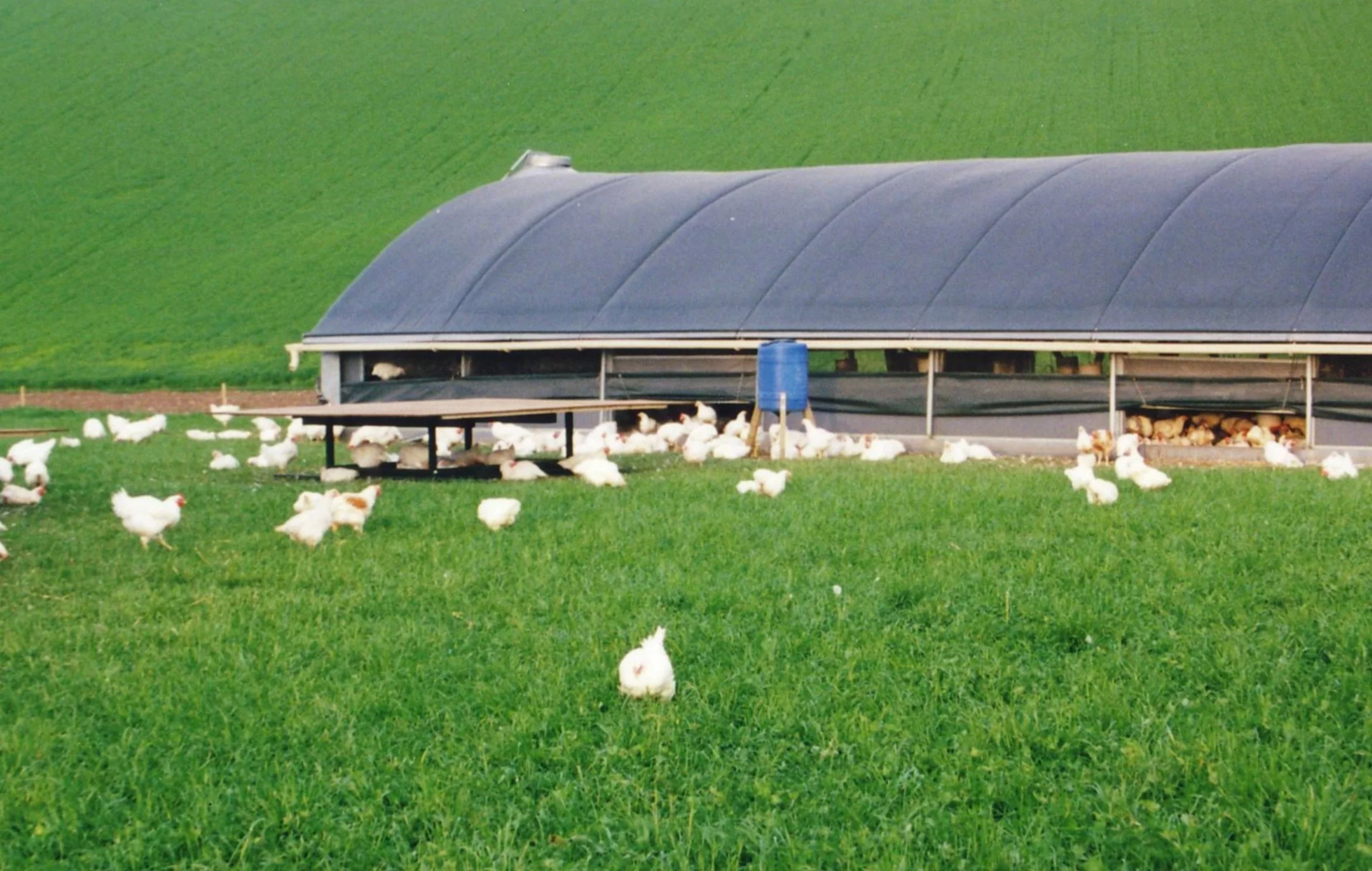
Pasture-raised and free-range animal management is an increasingly attractive option for producers and consumers. A number of large corporations are now making commitments to source from farms using more free-range forms of management. With time, more production will have to transition their production methods to meet large-scale commitments. However, these systems often entail a productivity shortfall: animals require more resources to gain weight quickly and reach similar slaughter weights to animals in conventional production, leading to a penalty or “sustainability gap” for free-range management. Our research quantifies these sustainability gaps in land use, greenhouse gas emissions, and carbon opportunity costs.
Aquaculture resource use and emissions
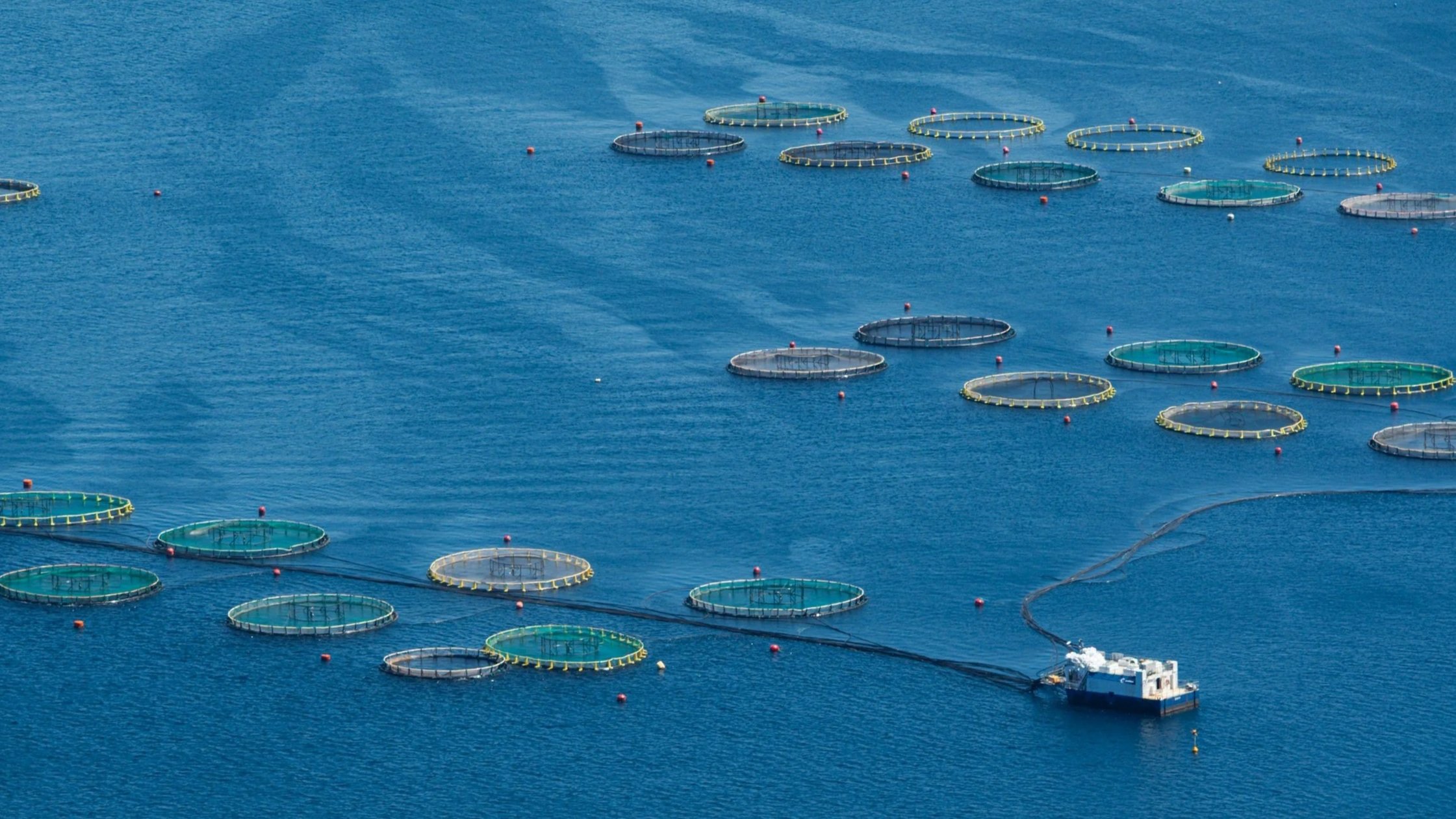
Large swaths of open ocean and waterfront are currently being privatized for industrial-scale fish farming. These aquaculture facilities utilize high inputs of feed, use large scale equipment, and generate wastes that can overwhelm nearby marine life, harming local economies.
Many of these facilities also produce carnivorous fish, requiring feed that must be caught from oceans elsewhere, such as anchovies from Peru and krill from the Antarctic Ocean, to be processed and shipped to offshore facilities in Norway, Scotland, Greece, and Canada where they feed carnivorous for wealthy consumers. Our recent analysis shows that these facilities are responsible for depleting more fish than they produce, with salmon, sea bass, and bream requiring three or more times the amount of wild fish than the farmed fish they produce.
We are working to further trace and understand where these resources are being extracted and shipped. We are also analyzing the role of intergovernmental organizations and development banks for promoting and financing aquaculture’s marine resource impacts.
Data Portal

Open Geospatial Data
Carbon Opportunity Costs of Livestock Production
from Hayek et al., 2021 Nature Sustainability